
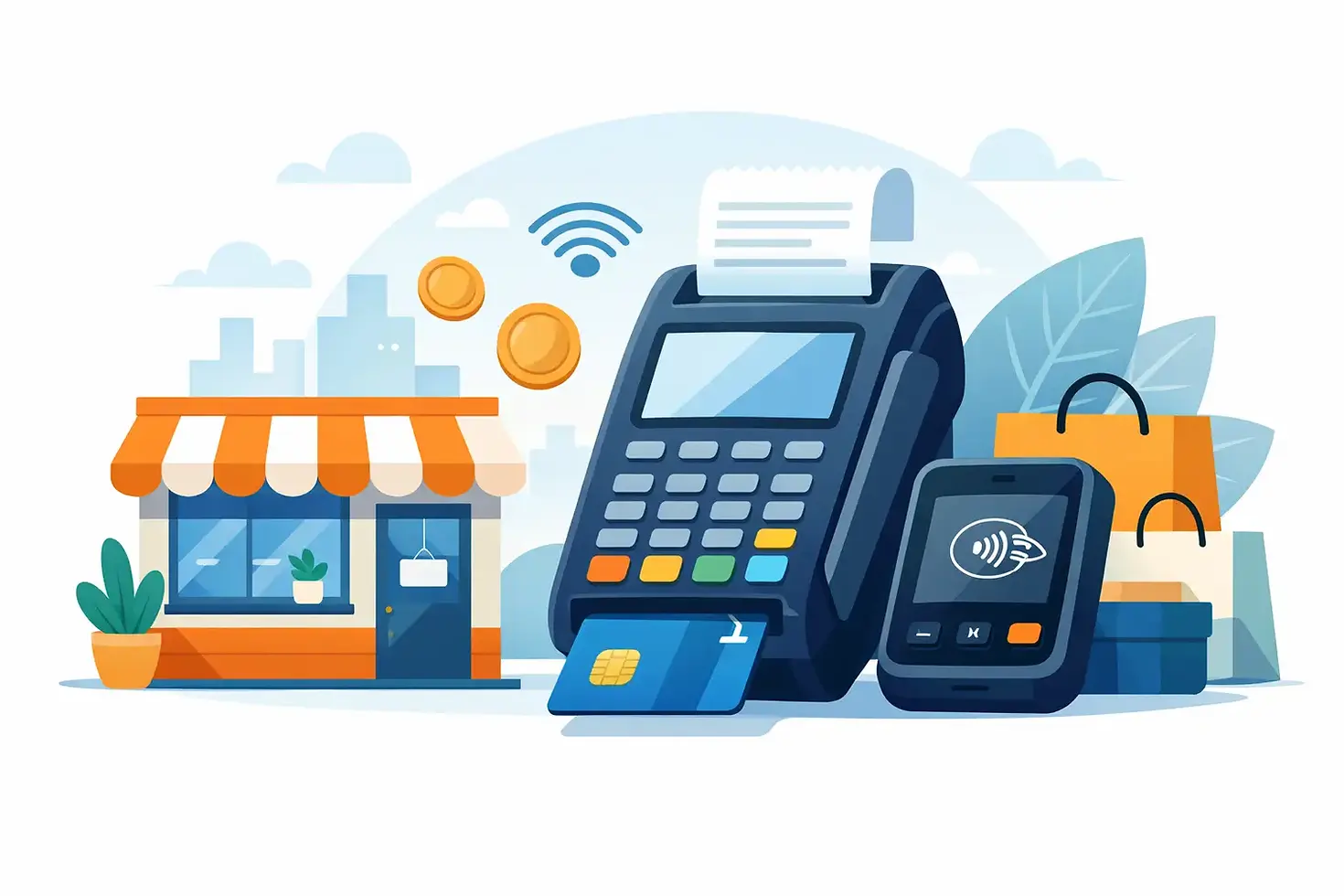
Card Machine Rental for Small Businesses
A card machine that stops working during the Saturday rush is not a minor technical issue. It can mean lost sales, frustrated customers and staff having to explain why a business cannot take payment. Card machine rental should therefore be about more than getting a terminal on the counter. It should give you dependable equipment, clear costs and real help when you need it.
For a café, salon, shop or hospitality venue, accepting cards is part of everyday service. The right rental arrangement keeps that service moving without forcing you to buy costly hardware outright or decipher a statement full of unexpected charges.
What card machine rental should include
Renting a card terminal usually means paying a fixed monthly amount to use the equipment, alongside the fees for processing customer payments. It can be a sensible route for small businesses because it avoids a large upfront purchase and gives you access to current, compliant hardware without owning a machine that may no longer suit your business in a few years.
But the monthly rental figure is only one part of the decision. Ask what the agreement includes: the terminal itself, a SIM or Wi-Fi connection, installation help, replacements, software updates and technical support. A low advertised rental price can look less attractive if essential services appear later as extra charges.
There is no single right terminal for every merchant. A countertop machine suits a fixed till point, such as a newsagent or small retail shop. A portable terminal is useful when staff take payments around a restaurant, pub or salon. A touchscreen device can be a better fit where staff need EPOS integration, barcode scanning or a more flexible checkout process.
The important question is not which machine has the longest feature list. It is whether it works reliably where and how your customers pay.
Choose connectivity for your premises, not the brochure
Wi-Fi is often perfectly practical in a small, stable premises, but it relies on your local internet connection. A terminal with mobile network connectivity can give you another way to take payments if the broadband drops, and it is particularly useful for mobile traders, outdoor events and businesses that take payments away from the main till.
For some businesses, multi-network connectivity provides useful reassurance. If one mobile network has poor coverage in your area, the terminal may be able to use another available network. Before agreeing to a rental, think honestly about the weak spots in your premises. A basement treatment room, a large beer garden or a stockroom at the back of a shop can all change what “reliable” looks like.
The real cost of card machine rental
Small-business owners should be able to see their payment costs before they sign. That means understanding both terminal rental and processing charges, rather than focusing on only one figure.
Processing rates are usually charged as a percentage of each card transaction. Debit and credit cards may have different rates, and some providers apply separate pricing for business, premium, international or digital-wallet cards. Variable pricing can make budgeting difficult, especially when margins are already under pressure.
Fixed rates are easier to plan around. For example, Accepted Payments publishes debit-card processing at 0.40% and credit-card processing at 0.80%, with terminal rental from £19.99 per month. Clear pricing lets a business owner work out the likely cost from their own takings, rather than relying on broad promises about competitive rates.
Read the agreement for the charges that do not feature prominently in the headline price. These can include PCI compliance fees, statement fees, settlement charges, minimum monthly service fees, cancellation costs, replacement fees and charges for paper receipts or SIM data. None of these are automatically unreasonable, but they should be stated plainly from the beginning. No hidden fees means you know what you are paying and why.
Contract length matters too. A longer fixed agreement can offer certainty, particularly if your rates and rental are protected for the term. The trade-off is reduced flexibility if your business closes, relocates or changes direction. Before signing a 36-month contract, check the notice period, early termination terms and what happens if your terminal needs replacing. A fair supplier will answer these questions directly.
Do not overlook settlement times
Taking a card payment is only the first part of the transaction. Your business also needs the money in its bank account quickly enough to pay suppliers, wages and day-to-day costs.
Next-day settlement can make a meaningful difference to cash flow for businesses with regular stock purchases or high-volume trading. A busy café may take hundreds of smaller payments in a day; a salon may take fewer but higher-value bookings. In both cases, waiting longer than necessary for funds can create avoidable pressure.
Ask when the settlement day starts and ends, whether weekends or bank holidays affect payment timing, and whether any settlement charges apply. It is also worth finding out how refunds are handled. Clear answers now will save you from chasing information when a customer needs their money returned.
Support is part of the rental, not an optional extra
When a terminal fails, your team does not need a generic help article. They need a person who can diagnose the problem quickly and explain what to do next. That is why UK-based support and a defined response standard matter as much as contactless capability or a smart-looking screen.
Consider what would happen in three common situations: your terminal cannot connect during a busy service, a payment has been taken but does not appear as expected, or the device is physically damaged. Ask whether support is available outside standard office hours, whether you can speak to a person, and how quickly replacement equipment can be sent.
Accepted Payments provides 24/7 UK support, aims to respond to emails within two hours and offers next-day replacement equipment where required. Those details matter because small businesses cannot pause trading while waiting days for an answer from a distant call centre.
Support should also help at the start. A provider should make it straightforward to set up the terminal, connect it to your preferred network and understand how to take contactless, chip-and-PIN and signature payments. If you are moving from another provider, it should be clear what happens to your existing terminal, payment records and PDQ receipts.
Make sure the machine fits your wider operation
A card terminal can be a standalone tool, but it becomes more valuable when it works properly with the way you run the business. EPOS and inventory integration can reduce manual entry, help staff reconcile takings and give you a clearer view of sales. This is particularly useful for retail and hospitality businesses with multiple product lines or busy shifts.
That said, added functionality is only worthwhile when you will use it. A simple independent therapist may need a compact, reliable terminal and transparent rates, not a full EPOS setup. A growing café with stock, table service and several staff may benefit from a more advanced touchscreen terminal such as the PAX A920, with barcode-scanning and connectivity options.
Think about your likely needs over the next year, not just this week. Are you planning to add a second till, trade at events, introduce stock control or take payments at tables? Raising these points before you rent makes it easier to choose equipment that will not hold you back.
A sensible way to compare providers
When comparing card machine rental options, put each quote on the same footing. Look at the monthly terminal cost, debit and credit-card rates, contract term, settlement speed, support availability and every additional fee. Then estimate the total using your own monthly card turnover and the mix of payments you normally receive.
Do not let a very low rental fee distract from a higher transaction rate, and do not assume a low rate is the best value if the support is difficult to reach. The best arrangement is the one that is commercially clear and operationally dependable for your business.
Your customers expect to tap, insert or use their mobile phone and leave with the payment handled. You deserve the same confidence from your provider: a machine that works, pricing you can understand and support that treats a disruption to your trade as urgent.


Comments